

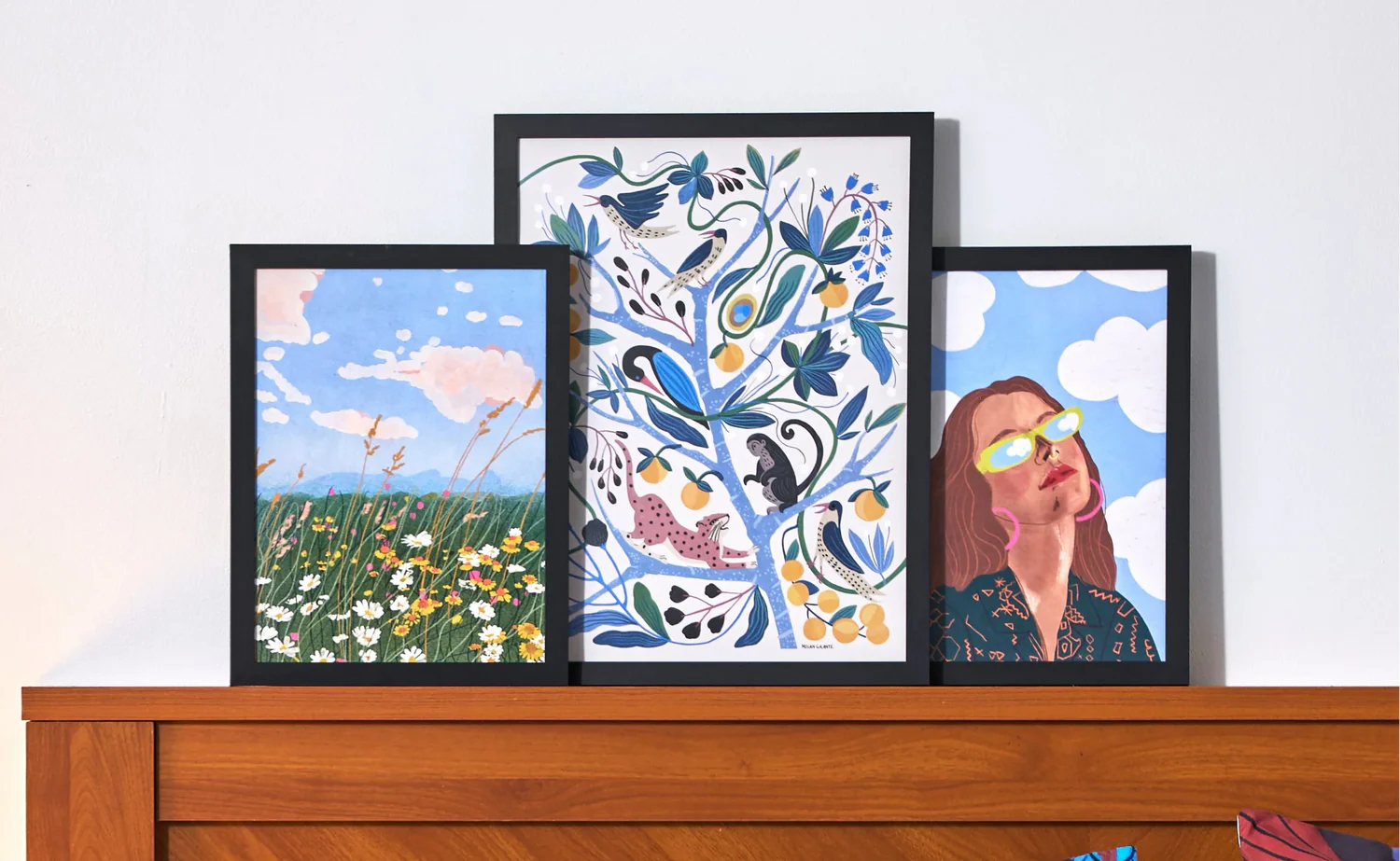
Wall Art Wallpostmedia com represents the growing interest in using creative artwork to transform ordinary spaces into visually appealing and inspiring environments. Wall art has become an essential part of modern interior design because it adds personality, color, texture, and character to homes, offices, and public spaces. A carefully selected piece of artwork can completely change the atmosphere of a room while reflecting individual taste and lifestyle.
Unlike simple decorations, wall art creates an emotional connection between people and their surroundings. Whether it is a large painting, a collection of framed prints, abstract designs, photographs, or handmade pieces, artwork can make a space feel more comfortable and meaningful.
Today, homeowners and designers are exploring different styles of wall decoration to create unique interiors. From minimalist designs to bold statement pieces, wall art offers endless possibilities for improving the appearance of any room.
This guide explains the importance of wall art, popular styles, placement ideas, benefits, and practical tips for choosing the right artwork for different spaces.
Why Wall Art Matters in Interior Design
Wall art plays an important role in creating a balanced and attractive interior.
Empty walls can make a room feel unfinished or lacking personality. Adding artwork introduces visual interest and helps connect different design elements, including furniture, colors, lighting, and accessories.
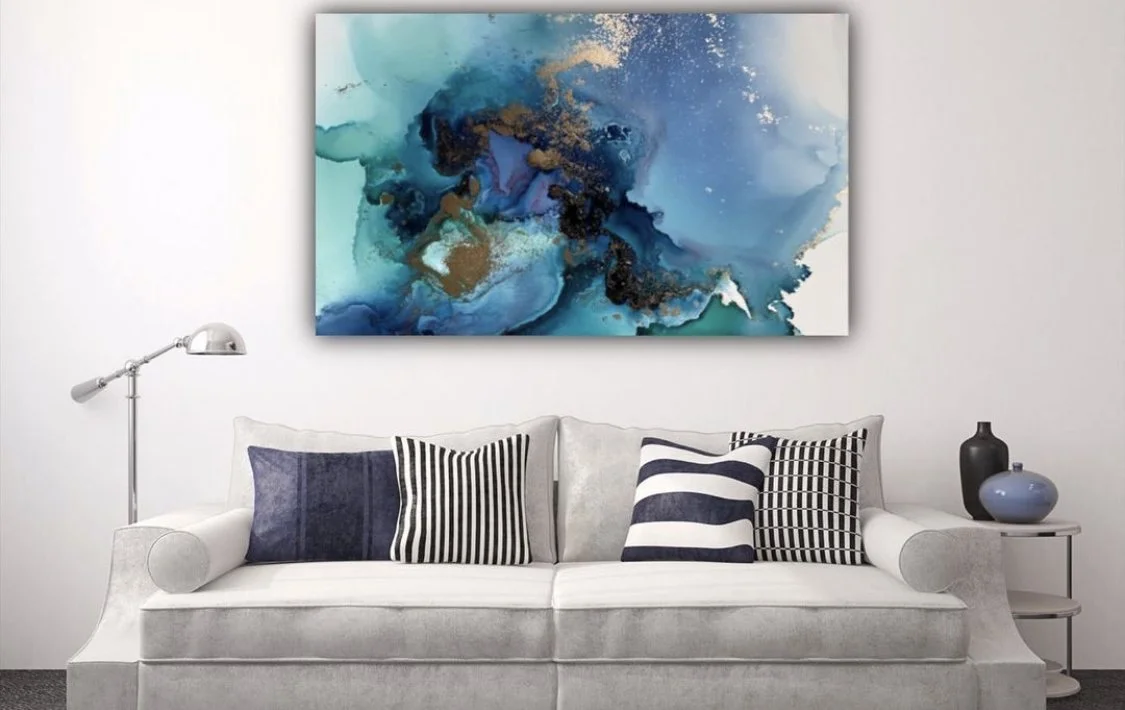
A well-chosen piece of wall art can become the focal point of a room. Large artwork above a sofa, bed, or dining table can immediately attract attention and create a sense of style.
Wall decorations also allow homeowners to express creativity. Unlike permanent design features, artwork can easily be changed according to seasons, trends, or personal preferences.
In addition, wall art can influence mood. Bright and colorful pieces may create energy, while soft landscapes or neutral artwork can promote relaxation.
For businesses, artwork can improve workplace environments by creating welcoming and inspiring spaces for employees and visitors.
Popular Types of Wall Art for Modern Spaces
There are many different forms of wall art available, allowing people to choose designs that match their personal style.
Paintings and Canvas Art
Canvas paintings remain one of the most popular choices for home decoration. They are available in various styles, including abstract, traditional, modern, and landscape designs.
Large canvas pieces often work well as statement decorations in living rooms or open spaces.
Photography Prints
Photography-based wall art adds realism and emotion to interiors. Nature photography, city scenes, portraits, and travel images can create unique visual experiences.
Personal photographs can also be transformed into professional-looking wall displays.
Abstract Artwork
Abstract designs are popular in contemporary homes because they add creativity without following strict patterns.
These pieces often use colors, shapes, and textures to create a modern artistic atmosphere.
Wall Sculptures and Decorative Panels
Three-dimensional wall decorations add depth and texture to rooms.
Metal artwork, wooden panels, and handcrafted designs provide unique alternatives to traditional framed artwork.
Digital and Modern Prints
Digital artwork has become increasingly popular because it offers affordable and customizable options.
People can select designs that match specific themes, color schemes, or interior styles.
Choosing the Right Wall Art for Your Space
Selecting suitable artwork requires considering several factors.
First, think about the room’s purpose and existing design style.
A living room may benefit from large, eye-catching artwork, while a bedroom may look better with calming and relaxing designs.
Color coordination is also important. Artwork should complement the existing color palette without making the space feel overwhelming.
Size matters as well. Small artwork may disappear on a large wall, while oversized pieces may dominate a small room.
Consider the available wall space, furniture arrangement, and viewing distance before choosing a piece.
The artwork should also reflect personal interests and emotions. The best wall decorations are those that create a connection with the people living or working in the space.
Creative Wall Art Placement Ideas
The placement of artwork can significantly affect the overall appearance of a room.
One common approach is creating a gallery wall by combining multiple smaller pieces. This allows different artworks to work together as a complete display.
Hanging artwork above furniture helps create balance. For example, artwork above a sofa should generally be positioned at a comfortable viewing height.
Large empty walls can benefit from oversized artwork that creates a strong visual impact.
Hallways, entryways, and staircases are also excellent locations for displaying artwork because these areas often need additional decoration.
Mixing different artwork sizes and styles can create a more dynamic and personalized appearance.
However, maintaining some consistency in colors, themes, or framing styles helps prevent the display from looking unorganized.
Benefits of Adding Wall Art to Your Home or Office
Wall art provides several benefits beyond decoration.
It improves the visual appeal of spaces by adding personality and creativity.
Artwork can make rooms feel more complete and professionally designed.
In workplaces, attractive wall decorations may improve employee motivation and create a more positive environment.
For homes, meaningful artwork can create emotional comfort by displaying memories, interests, or personal values.
Wall art also offers a flexible design solution because pieces can be replaced or rearranged without major renovations.
Additionally, investing in quality artwork can enhance the perceived value and sophistication of a space.
Whether used for decoration, inspiration, or personal expression, wall art remains a powerful design element.
Tips for Maintaining Wall Art
Proper care helps preserve artwork and maintain its appearance over time.
Keep artwork away from direct sunlight whenever possible because excessive exposure can fade colors.
Avoid placing delicate pieces in areas with high moisture or temperature changes.
Regularly remove dust using soft cleaning materials to prevent buildup.
Use appropriate hanging hardware to ensure artwork remains secure on the wall.
For valuable or handmade pieces, professional cleaning and preservation methods may be necessary.
Taking simple maintenance steps helps artwork remain attractive for many years.
Final Thought
Wall Art Wallpostmedia com highlights the importance of creative artwork in modern interior design. Wall art is more than a decorative feature—it is a way to express personality, improve atmosphere, and create meaningful connections with living and working spaces.
From paintings and photography to abstract designs and handmade decorations, there are countless options available for every style and budget. Choosing the right artwork, placing it thoughtfully, and maintaining it properly can transform ordinary walls into inspiring visual experiences.
As interior design continues evolving, wall art remains one of the most effective ways to add creativity, warmth, and individuality to any environment.
FAQs
Why is wall art important for home decoration?
Wall art adds personality, color, and visual interest while helping create a more complete and attractive interior design.
How do I choose the right wall art for my room?
Consider your room size, existing colors, furniture style, personal preferences, and the mood you want to create.
What type of wall art is most popular?
Canvas paintings, photography prints, abstract artwork, decorative panels, and digital prints are among the most popular choices.
How should wall art be arranged?
Artwork should be placed according to wall size, furniture arrangement, and viewing height. Gallery walls and statement pieces are common arrangements.
Can wall art improve workplace environments?
Yes. Creative artwork can make offices feel more welcoming, inspiring, and comfortable for employees and visitors.
How can I protect my wall art?
Avoid direct sunlight, control moisture exposure, clean gently, and use proper hanging methods to protect artwork over time.
