

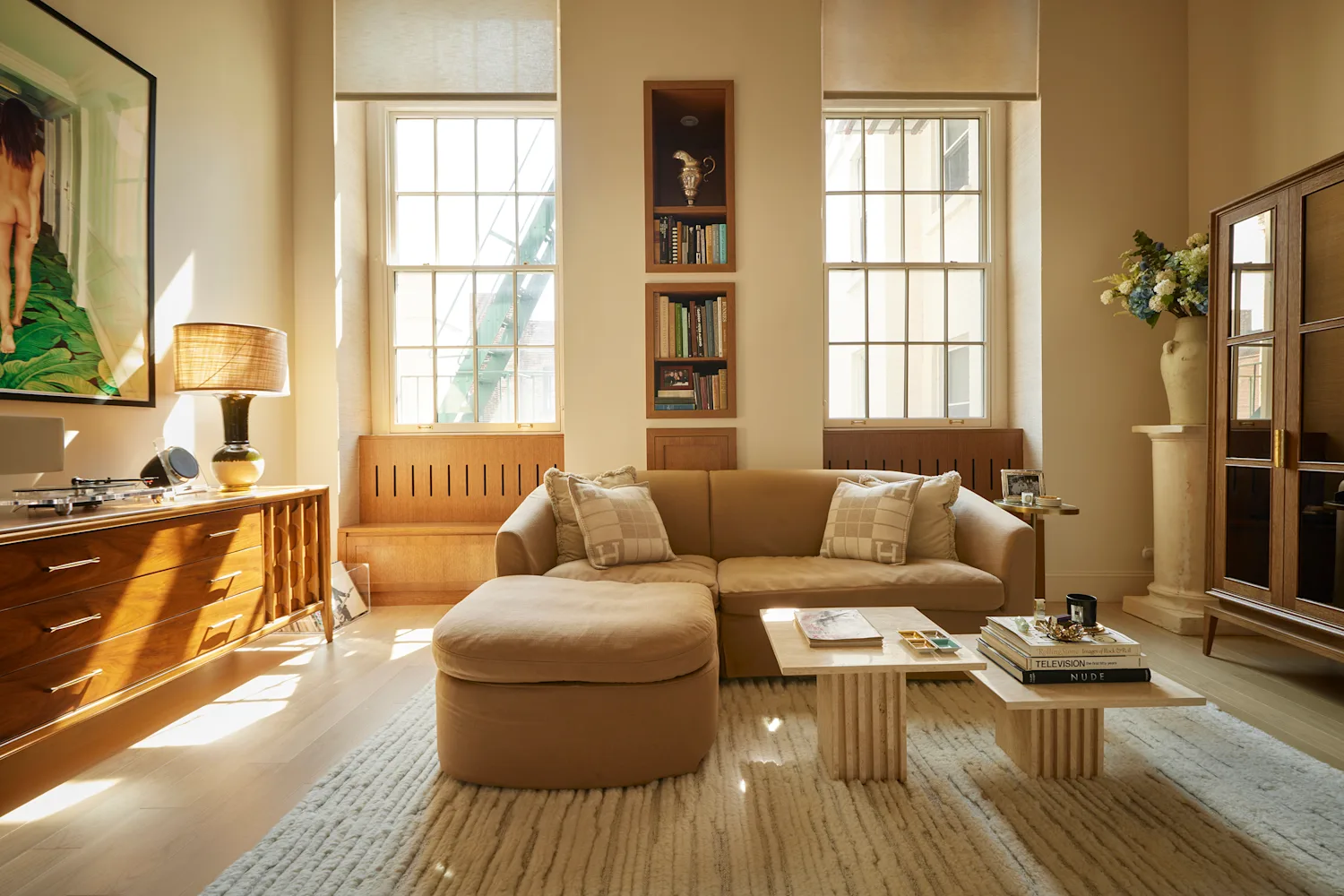
Interior Decoration Advice Mintpaldecor is a valuable resource for homeowners, renters, and interior design enthusiasts looking to create attractive, functional, and comfortable living spaces. A well-decorated home is more than just visually appealing—it reflects your personality, supports your lifestyle, and makes everyday living more enjoyable.
Interior decoration doesn’t always require expensive renovations or luxury furniture. Small improvements like choosing the right color palette, arranging furniture effectively, adding lighting, and selecting decorative accessories can dramatically transform any room.
Whether you’re decorating a new home or refreshing an existing one, thoughtful design decisions help maximize space while creating a welcoming atmosphere. This guide shares practical decoration ideas that work for homes of different sizes and budgets.
Why Interior Decoration Matters
A beautifully decorated home offers benefits beyond appearance. The right design creates an environment that feels comfortable, organized, and relaxing.
Well-planned interiors improve functionality by making better use of available space. Furniture placement, storage solutions, and decorative elements all contribute to a room’s overall efficiency.
Interior decoration also affects mood. Bright spaces with natural light often feel energetic, while warm colors and soft lighting create a calm, cozy atmosphere.
A thoughtfully designed home can increase property value, impress visitors, and provide greater satisfaction for the people who live there. Good decoration combines style with everyday practicality.
Choosing the Right Color Palette
Color is one of the most influential elements of interior decoration. It shapes the mood and visual appeal of every room.
Neutral shades such as white, beige, gray, and cream remain popular because they create bright, timeless interiors that pair well with different décor styles.
Soft blues and greens introduce a sense of calm, making them ideal for bedrooms and reading spaces.
Warm earth tones add comfort and character to living rooms and dining areas.
Instead of using too many bold colors, choose one or two accent shades that complement the primary color scheme.
Maintaining consistency throughout the home creates a balanced and harmonious appearance.
Furniture Arrangement for Better Functionality
Furniture should make a room both attractive and practical.
Start by identifying the room’s primary purpose before arranging furniture.
Living rooms should encourage conversation while maintaining comfortable walking paths.
Bedrooms benefit from uncluttered layouts that promote relaxation.
In smaller spaces, multifunctional furniture such as storage ottomans, extendable dining tables, or sofa beds can maximize available space.
Avoid overcrowding rooms with unnecessary furniture.
Leaving open areas improves movement and makes spaces appear larger.
Position seating to take advantage of natural light whenever possible, creating brighter and more inviting interiors.
Decorating with Lighting and Accessories
Lighting has a significant impact on the atmosphere of a home.
Combining multiple lighting sources often produces the best results.
Natural daylight should remain the primary light source whenever possible.
Layered lighting—including ceiling fixtures, table lamps, floor lamps, and accent lighting—adds depth and flexibility.
Decorative accessories complete the overall design.
Popular decorative elements include:
- Framed artwork
- Indoor plants
- Decorative mirrors
- Throw pillows
- Area rugs
- Candles
- Vases
- Wall shelves
Rather than filling every surface, select a few meaningful pieces that complement your chosen style.
Simple, carefully selected accessories often create a more elegant appearance than excessive decoration.
Interior Decoration Trends Worth Considering
Home design trends continue evolving, but several styles remain consistently popular.
Minimalist interiors emphasize clean lines, neutral colors, and clutter-free spaces.
Scandinavian-inspired design combines simplicity with warmth using natural wood, soft fabrics, and functional furniture.
Modern farmhouse interiors blend rustic textures with contemporary comfort.
Biophilic design incorporates natural materials, plants, and sunlight to strengthen the connection between indoor and outdoor environments.
Sustainable decoration is also gaining popularity as homeowners choose eco-friendly furniture, recycled materials, and energy-efficient lighting.
Rather than following every trend, select ideas that match your personal preferences and long-term lifestyle.
Timeless decoration usually remains attractive longer than short-lived design fashions.
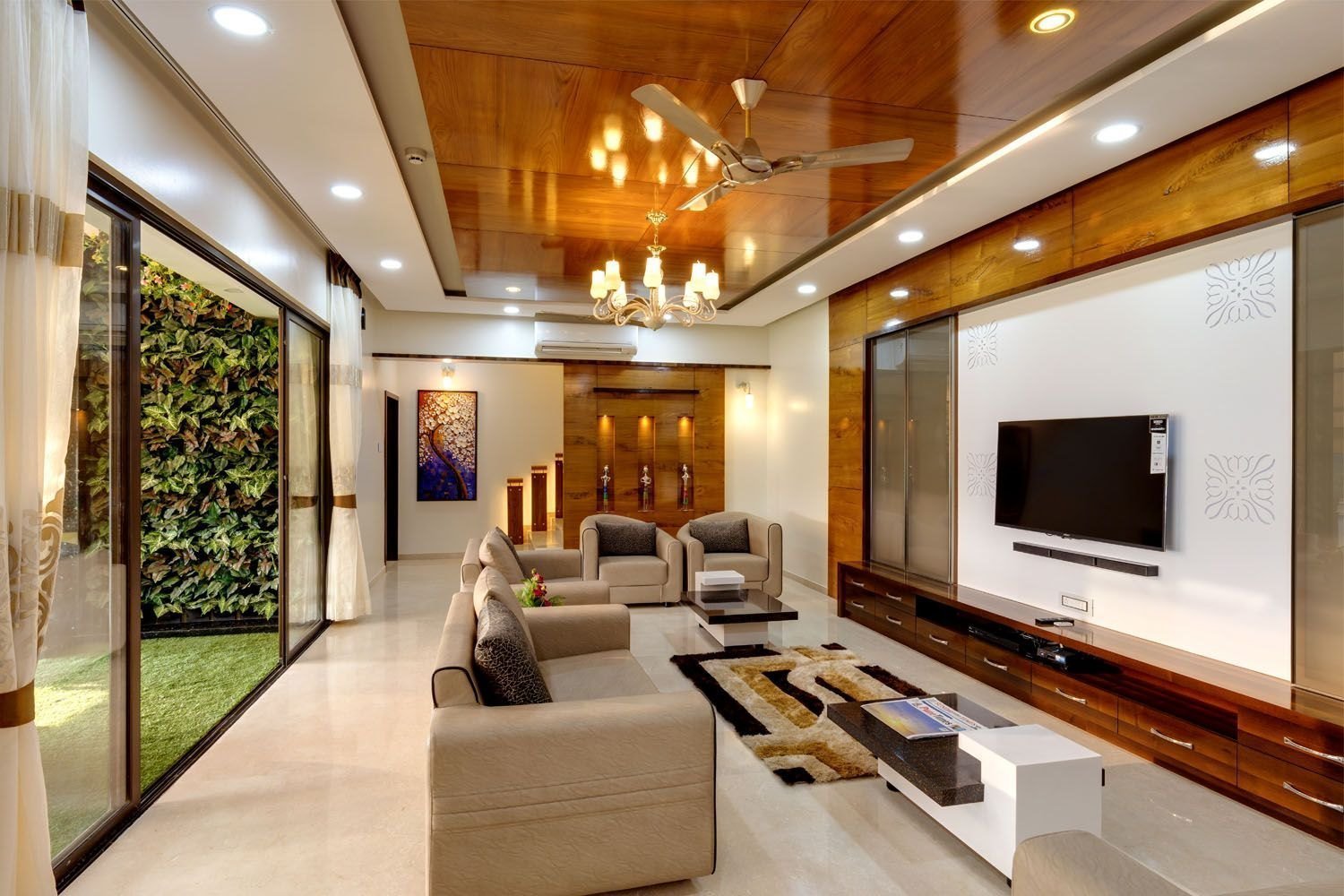
Budget-Friendly Interior Decoration Tips
Creating a stylish home doesn’t always require a large budget.
Rearranging existing furniture can instantly change the appearance of a room without spending money.
Painting walls remains one of the most affordable ways to refresh an interior.
Replacing outdated curtains, cushions, or rugs adds new colors and textures at a relatively low cost.
Second-hand furniture, vintage décor, and DIY projects offer affordable opportunities to personalize your home.
Indoor plants provide beauty while improving air quality.
Simple organizational improvements also make rooms feel cleaner and more spacious.
Small updates completed gradually often produce impressive long-term results.
Common Decorating Mistakes to Avoid
Many decorating mistakes can be avoided with careful planning.
Buying furniture before measuring available space often leads to crowded rooms.
Using too many colors or decorative styles may create visual confusion.
Poor lighting can make even beautifully decorated spaces feel uninviting.
Ignoring storage needs results in clutter that reduces both functionality and appearance.
Many homeowners also hang artwork too high or choose rugs that are too small for the room.
Selecting quality items instead of purchasing numerous inexpensive accessories usually creates a more polished interior.
Thoughtful planning helps prevent costly design errors.
Final Thought
Interior Decoration Advice Mintpaldecor highlights how thoughtful design choices can transform any home into a comfortable, functional, and visually appealing space. From selecting harmonious colors and arranging furniture effectively to improving lighting and adding meaningful decorative accents, every detail contributes to a better living environment.
Interior decoration should reflect personal style while supporting everyday needs. Whether working with a large family home or a compact apartment, smart planning and creative ideas can produce impressive results without exceeding your budget. By focusing on balance, simplicity, and functionality, you can create interiors that remain beautiful and enjoyable for years to come.
FAQs
What is interior decoration?
Interior decoration focuses on improving the appearance and comfort of indoor spaces using furniture, colors, lighting, accessories, and decorative elements.
Why is interior decoration important?
Good decoration improves comfort, functionality, organization, mood, and the overall visual appeal of a home.
How can I decorate my home on a budget?
Paint walls, rearrange furniture, add indoor plants, update soft furnishings, use second-hand décor, and complete simple DIY projects.
What colors work best for modern interiors?
Neutral shades like white, gray, beige, and cream remain popular, while soft blues, greens, and earth tones add warmth and character.
What are common interior decorating mistakes?
Common mistakes include overcrowding rooms, poor lighting, choosing furniture that’s too large, ignoring storage, and mixing too many design styles.
How often should I update my home décor?
Small seasonal updates can refresh your home regularly, while larger design changes can be made every few years based on your needs and preferences.
